

A pacemaker keeps the heart alive. It regulates rhythm, prevents collapse, and ensures continuity. Many CEOs see themselves this way — guardians of stability. But in today’s world, leadership must evolve. We need not just pacemakers but movement makers.
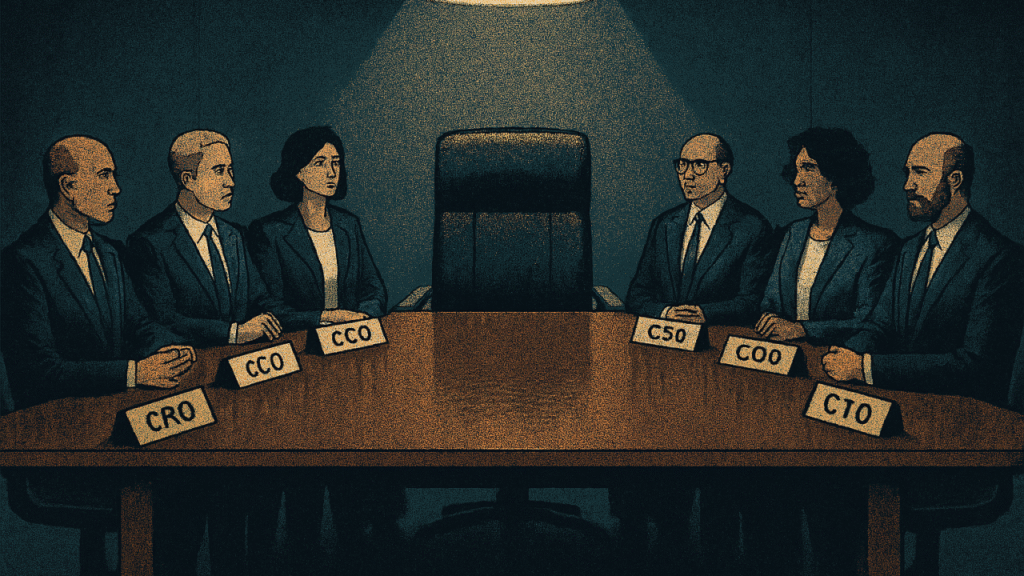
The Russia–Ukraine war disrupted supply chains and grain markets, but Sri Lanka’s exposure was indirect. The Gulf crisis is different. It does not graze us — it strikes at our core arteries. And the question every boardroom must ask is simple: are we regulating, or are we leading?
Why This Crisis Is Different
Operation Epic Fury — the US-Israel strikes on Tehran, Isfahan and Qom on February 28, 2026 — was not a distant event. Iran’s retaliatory missile strikes across Kuwait, Qatar, the UAE, Bahrain and Saudi Arabia closed Dubai and Kuwait airports overnight. The Strait of Hormuz, through which roughly 20% of global oil flows, was effectively paralyzed.
For most economies, this registers as a commodity shock. For Sri Lanka, it is existential exposure across six simultaneous channels.
Three Futures, One Choice
Geopolitical risk analysis currently maps three plausible trajectories. The pacemaker leader waits to see which scenario unfolds. The movement maker acts across all three simultaneously — building buffers, diversifying dependencies, and protecting people before the shock fully lands.
A 40% combined probability across Scenarios B and C is not a tail risk to be managed in footnotes. It is a boardroom agenda item. February 2026’s headline inflation of 1.6% represents hard-won stability — but that fragile waiting zone can be shattered by a single month of oil shock and remittance disruption arriving simultaneously.

What Movement Makers Do Now
Pacemaker leaders will watch, regulate, and hope for de-escalation. Movement makers will act across six fronts — not because the worst is certain, but because the cost of waiting exceeds the cost of preparing.
Build the Energy Buffer
Extend strategic fuel reserves beyond the current 37-day window. Urgently diversify crude suppliers toward India and Malaysia. Fast-track refinery contingency plans before prices force the conversation. Sri Lanka is already struggling with poor quality coal, which will result in high cost; low return scenario.
Shield the Remittance Artery
Activate Gulf worker protection protocols now. Work proactively with GCC governments on labour rights. Pre-position repatriation funds. The US$8B annual flow is not a line item — it is the economy’s circulatory system. Like waiting for the ‘Trump Tarrif’ to hit our exports.
Diversify Exports and Tourism Before Collapse
Immediately open conversations with alternative tea markets across Asia and Africa. Negotiate shipping route guarantees. Support exporters with emergency credit lines before Gulf order books close. India and China have been the main tourist footfall. I am not sure how Chian will react after the secret affair with India.
Fortify the Rupee and the IMF Track
Maintain open communication with the IMF. Build reserve buffers and consider hedging oil import costs. Strengthen bilateral currency swap lines now — not when the rupee is already under pressure. Sri Lanka is not the only country hanging on the IMF Lifeline. If we are not proactive others will win.
Prepare the Social Safety Net
A potential surge of 200,000+ returning workers is not a welfare question — it is a macroeconomic risk. Pre-plan skills reintegration. Protect vulnerable households from the first wave of fuel and food price shocks. Already the garment industry is scaling down or relocation to India causing unemployment to thousands.
Hold Diplomatic Neutrality
Sri Lanka’s leverage depends on balanced positioning between Washington and Tehran. Movement makers understand that geopolitical access is an economic asset — protect it through UNHRC and SAARC channels.
The Leadership Redefinition
The pacemaker metaphor has served us well in calmer times. It describes a leader who senses the rhythm of the market, adjusts the pace, and prevents institutional collapse. In a stable environment, this is not just sufficient — it is wise.
But a pacemaker is a follower of rhythm. It responds. It does not originate. It does not create the conditions in which others can move with confidence. And in a moment when Sri Lanka’s six core economic arteries face simultaneous pressure, responsiveness alone is insufficient.
The movement maker is different. They do not go with the flow — they create the space and set the pace. They are not victims of external forces; they are architects of resilience in the face of them. They read the data, confront the probabilities honestly, and act before the market forces the decision.
How many CEOs in Sri Lanka today can articulate the difference between Scenario A and Scenario B — and explain what their firm is doing differently because of that 25% probability? That clarity is the first marker of movement-maker leadership.