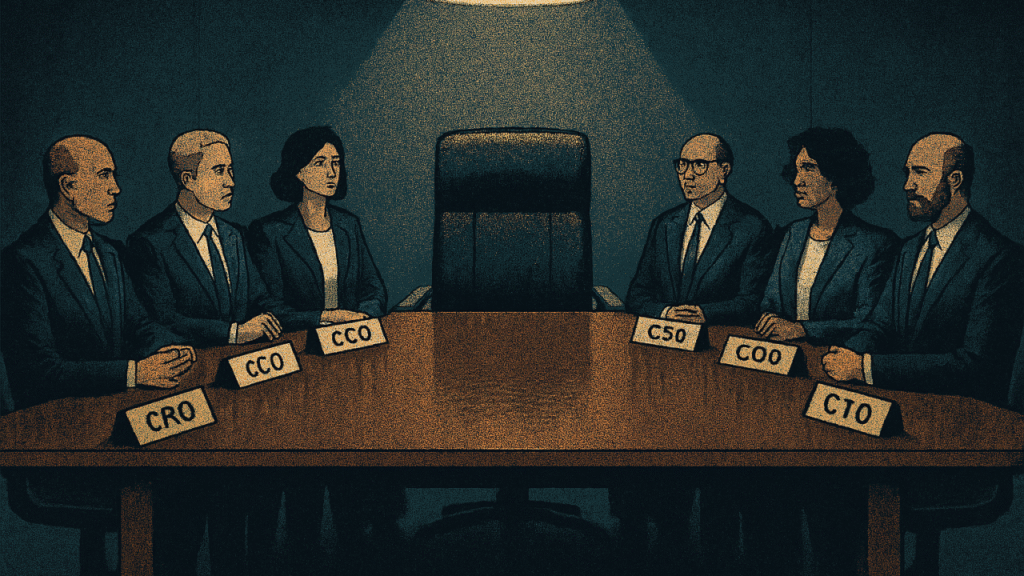

We’ve all said it. Or heard it. Usually in a meeting room, sometimes across a boardroom table, and occasionally in a tense corridor conversation. We’re just not on the same page.
It’s one of those phrases that gets nodded at, accepted, and moved on from without anyone really stopping to ask the most important question: what does your page actually look like? A Conversation That Changed How I See This I was in a team coaching session recently with two executive directors of a family-owned business. Talented people. Committed to the company. And genuinely stuck. At some point, one of them said it: ‘We’re not on the same page.’ Instead of moving on, I paused. I asked the first director: “What does your page look like?” He described it. His expectations, his understanding of the situation, what he believed should happen and why. Then I turned to the second director and asked the same question: “And what does your page look like?”. She described hers. Different. Not wrong – just different. And that’s when something shifted in the room.
The Page Is Made of Expectations
Here’s what became clear: when we say “we’re not on the same page,” what we are really saying is “my expectations and your expectations don’t match.” Every person walks into a situation carrying their own page shaped by their experience, their role, their assumptions, and what they believe is fair and reasonable. The problem isn’t that people have their own different pages. That’s natural. The problem is that we rarely ‘show’ each other what’s written on ours. We assume the other person can see our page. Or worse, we assume they should already be on it. So How Do You Actually Get on the Same Page? The answer is simpler than most people expect though it takes more courage than most people realise.
Step one: Ask to see the other person’s page – Not to challenge it. Not to correct it. Just to understand it. What do they see? What do they expect? What does a good outcome look like from where they’re standing?
Step two: Look at their page honestly – When you hear it, resist the urge to immediately defend your own. Instead, ask yourself: How fair is this? What’s reasonable about how they are seeing this? What do they have on their page that I might be missing on mine?
Step three: Do the same in reverse – The other person now looks at your page with the same open-eyed honesty. What’s on it that they hadn’t considered? What expectations are you carrying that deserve to be understood, not dismissed?
Step four: Find the overlaps and negotiate the gaps – This is where alignment happens. Not by one person surrendering their page, but by both people building a shared one with the best of what each brought to the table.
What This Looks Like in Practice – In that coaching session, once both directors had laid out their pages, something interesting happened. They each spotted things on the other’s page that were completely reasonable — things they simply hadn’t known the other person was expecting. There was no villain in the story. There was no one who was wrong. There were just two people who had never been given the space to say: this is what I’m working from. That’s often all it takes.
The Simple Lesson – Getting on the same page isn’t about convincing someone to adopt your view – your page. It’s about taking the time to ‘read theirs’ and giving them the chance to read yours. The next time someone says “we’re not on the same page,” try this: don’t rush to resolve it. Get curious first. Ask what their page looks like. You might be surprised how quickly two very different pages can become one.
Bradley is the founder of Business Athletes, a corporate training and executive coaching company based in Sri Lanka. He works with leadership teams across industries to build clearer communication, stronger alignment, and more effective organisations.